Image 1 of 1
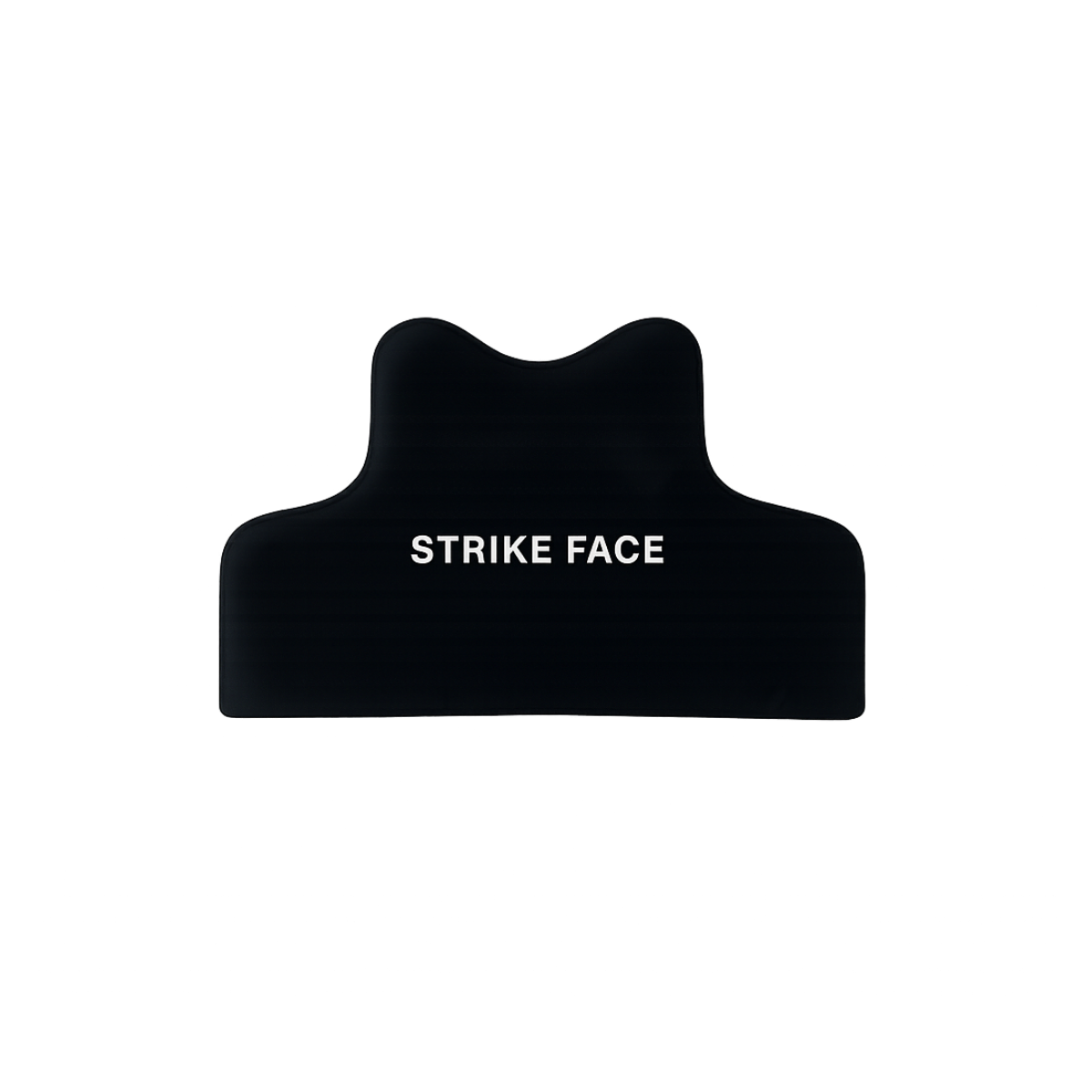
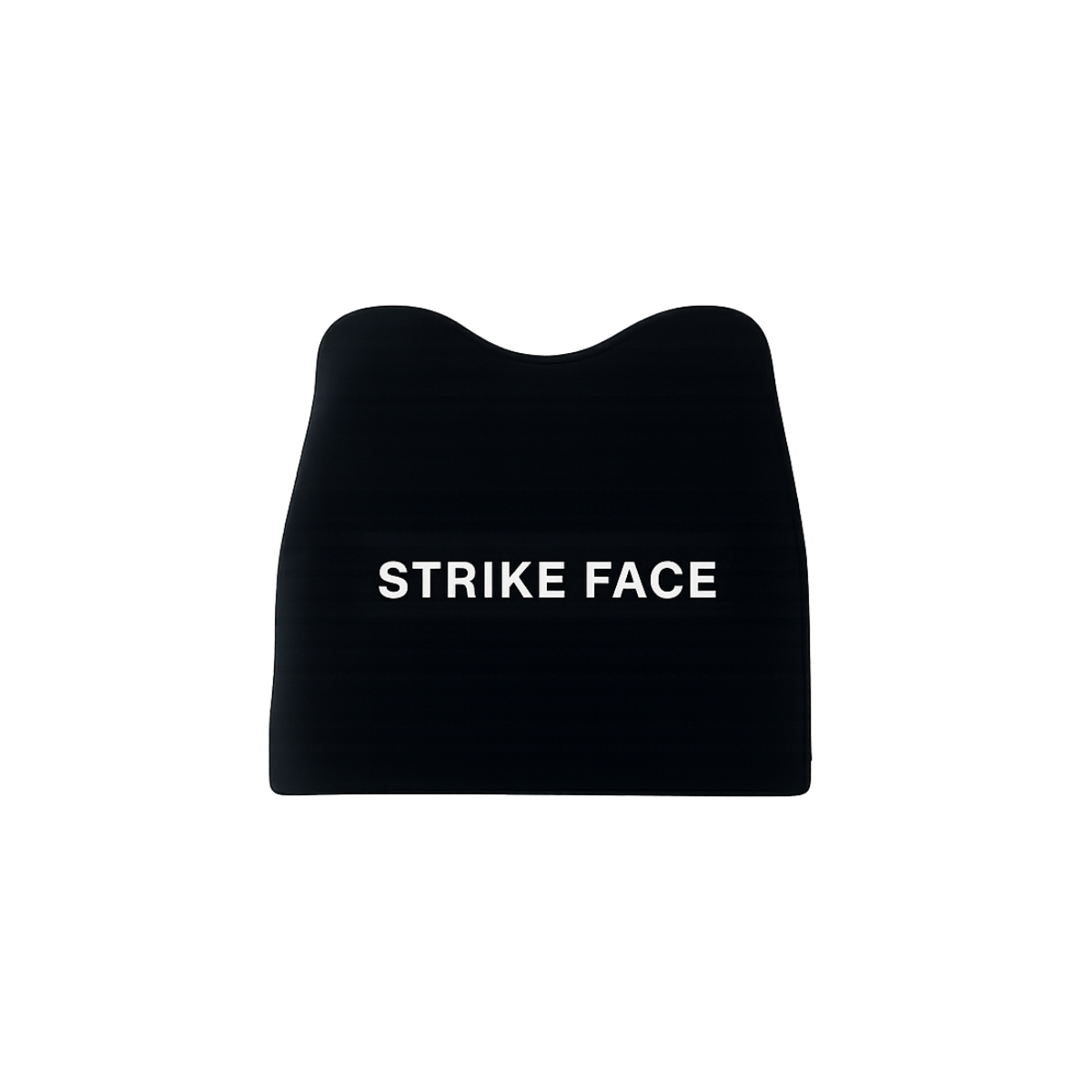
Level:NIJ 0101.06 LV3A NIJ0101.07 HG2
Resistance:9mm,.357SIG,0.44Magnum
Material:PE+Forticoat
Size: 25cm x 30cm
Thickness:8.5±1mm
Weight:700±100g/pc
Backface Deformation (BFD) Summary
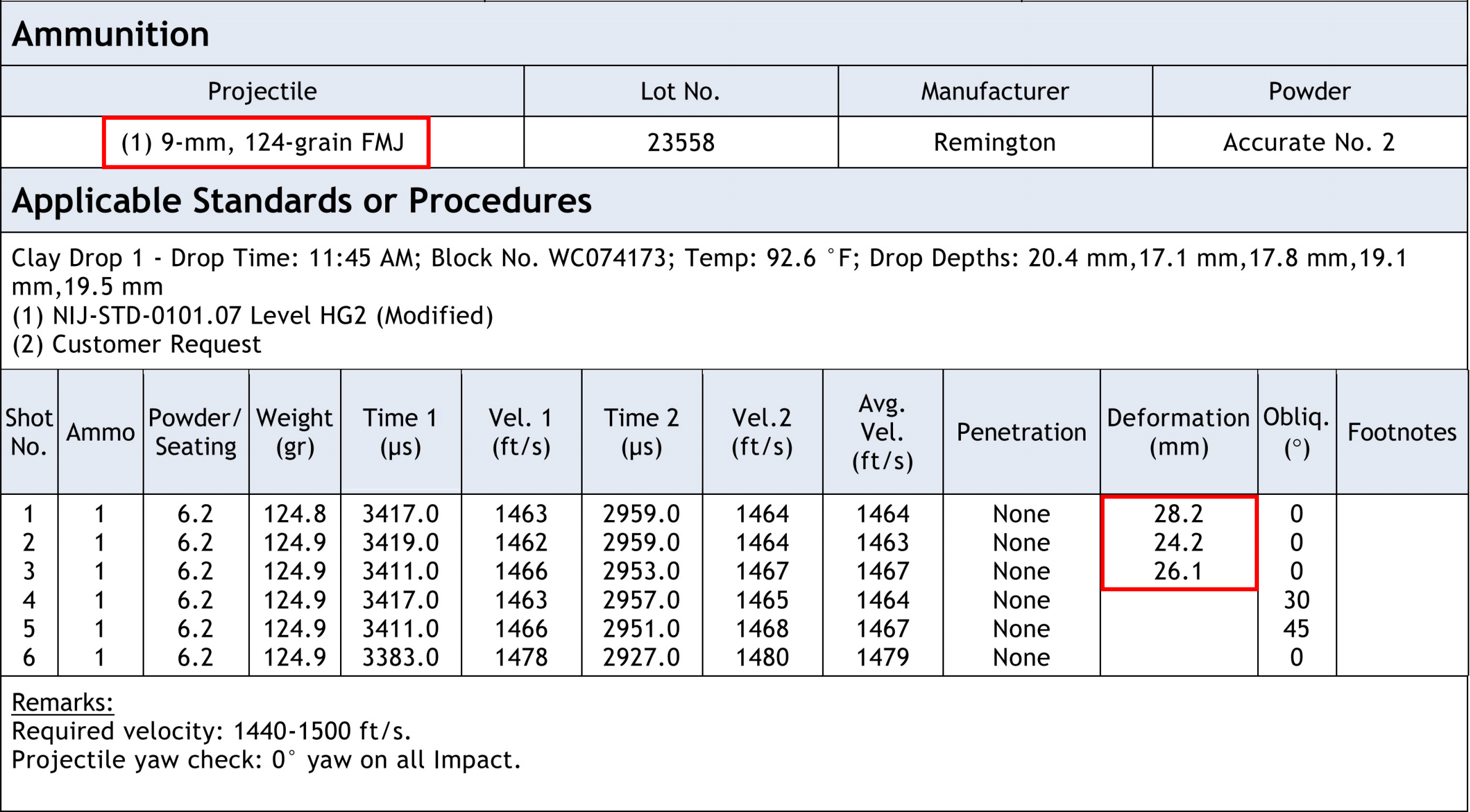
This test used 9 mm, 124-grain FMJ rounds under the NIJ 0101.07 HG2 (Modified) protocol.
All shots resulted in no penetration.
The backface deformation values were:
28.2 mm, 24.2 mm, 26.1 mm
These numbers show how much the armor pushed into the clay after impact.
Lower deformation means less blunt-force trauma.
Overall:
A BFD range of 24–28 mm is very good for a 9 mm threat and is well below the common 44 mm reference. The armor performed safely and effectively.
Backface Deformation (BFD) Summary
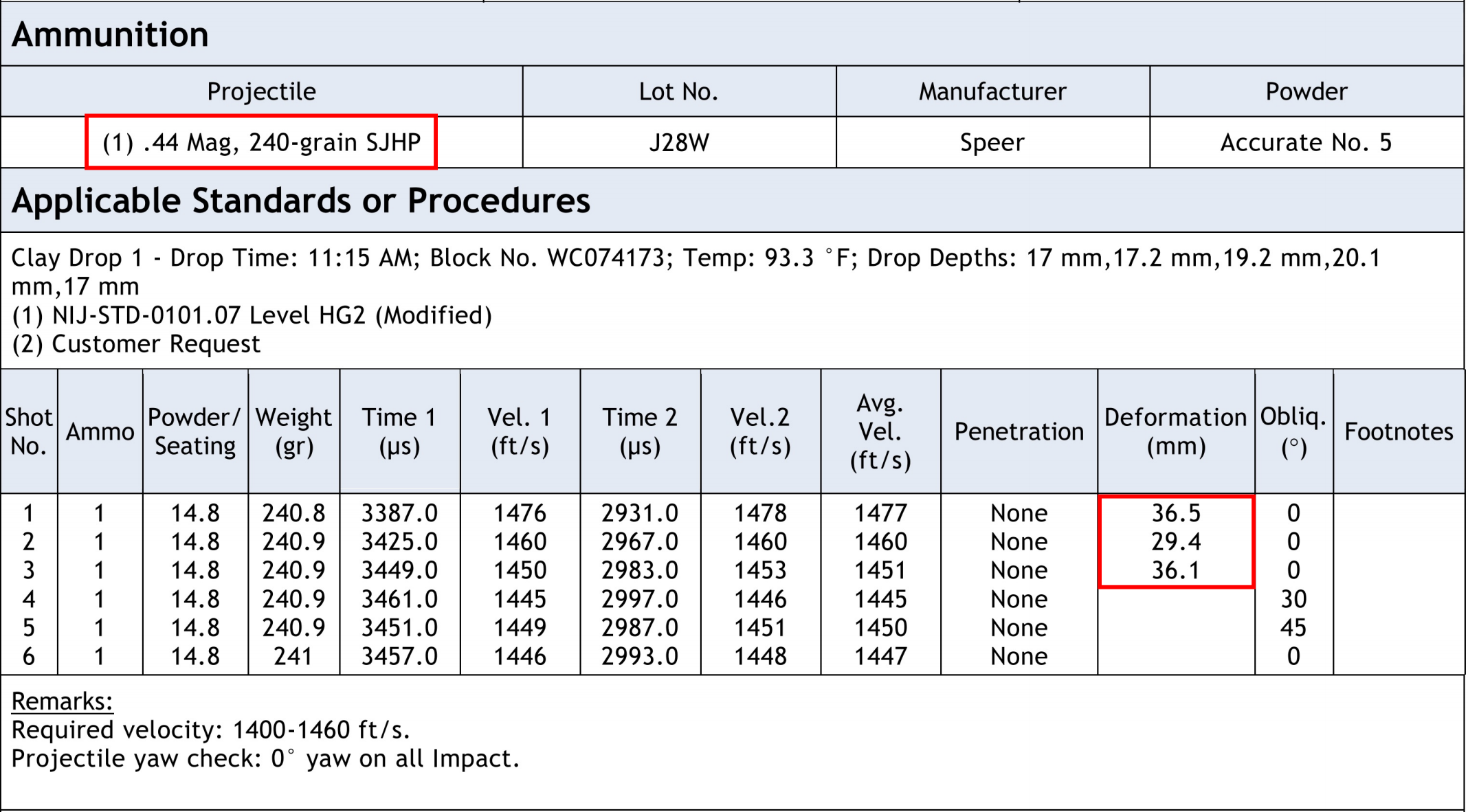
This test used .44 Magnum, 240-grain SJHP rounds under the NIJ 0101.07 HG2 (Modified) protocol.
All shots resulted in no penetration.
The backface deformation values were:
36.5 mm, 29.4 mm, 36.1 mm
These numbers show how much the armor pushed into the clay after impact.
Lower deformation means less blunt-force trauma.
Overall:
A BFD range of 29–36 mm is acceptable for a .44 Magnum threat and remains below the typical industry reference of 44 mm. The armor stopped every round and kept deformation within a safe range.